What is Rooftop Solar?
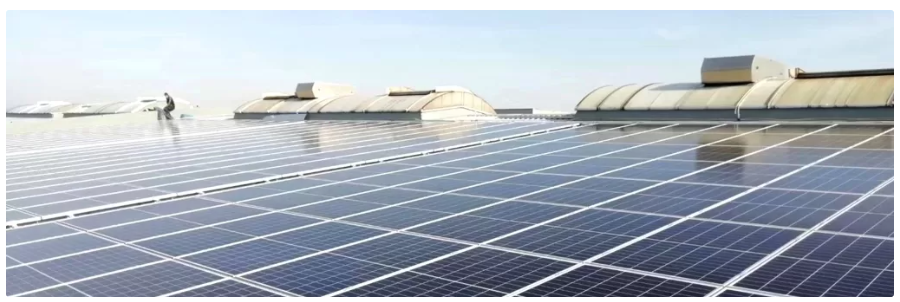
Rooftop solar refers to the installation of solar panels on the roofs of buildings, typically residential or commercial. These systems convert sunlight into electricity, providing a clean and renewable power source. Unlike traditional power sources, rooftop solar systems do not emit harmful pollutants, making them a popular choice for eco-conscious individuals and businesses.
Types of Rooftop Solar Solutions
Benefits of Solar Energy
Solar energy offers a range of benefits, both for individuals and the environment. Let’s delve into some of the key advantages:
Solar energy is the most abundantly available energy on earth:
Enough sunlight reaches us every 15 minutes to power the world for an entire year. And solar energy is a reliable way of power generation, at present, countries, and regions around the world have a large part of their energy from solar power generation.
Solar energy is more secure and clean energy on earth:
Using solar energy can achieve substantial carbon emissions, reduce disputes and promote human development.
Solar power is a kind of flexible energy:
Solar power is available wherever there’s sunshine. You can install solar panels on the roof or on the ground. The electricity produced by solar energy can be supplied to a family or an entire city. Solar power can also solve the problem of electricity in the world’s 1 billion 500 million non-electricity population.
Solar power is still a reliable investment:
Project developers, owners, and owners of the land can sell solar power to the power company, so they can obtain a stable income during the entire life cycle of the solar system. Whether your solar power is for personal use or for sale, you can get a good return in the near future. As the cost of solar systems continues to lower, solar energy becomes a more and more wise investment. The reliable performance of our solar products will help you gain a profit in the coming decades. In addition, solar energy does not produce noise, no moving parts, and almost no need to maintain.
Solar power can satisfy the growing energy needs of mankind:
The International Energy Agency report shows that the global electricity demand will be expected to increase to 31 trillion and 700 billion degrees by 2030. IEA pointed out that more than 66% of the world’s electricity is generated by coal, natural gas and oil, and other fossil fuels. When fossil fuel reserves continued to decline and power consumption continued to rise, so electricity prices will continue to rise. Then there is an urgent need to develop sustainable alternative energy sources.
Green Light Energy is the most perfect energy solution provider:
Green Light Energy is committed to providing smarter energy solutions. Our dedication to producing top-quality, high-performance products is reflected in our world-successful stories and the most extensive customer satisfaction.
How Rooftop Solar Systems Work?
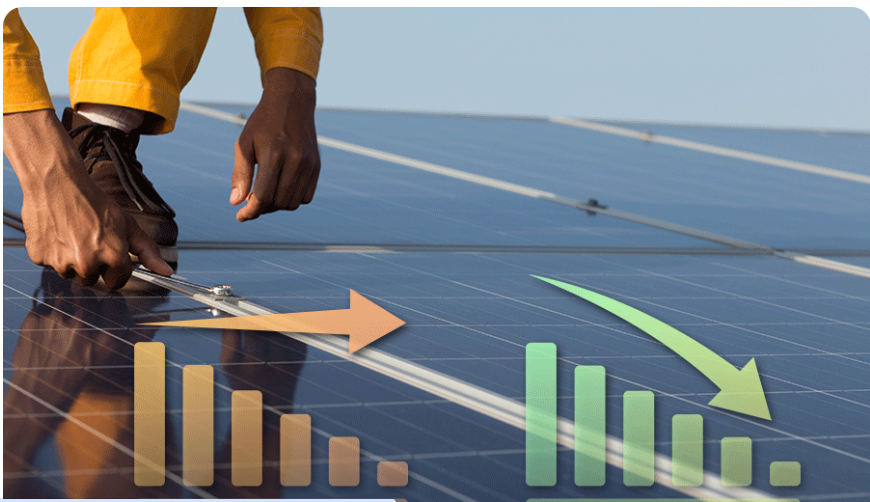
Understanding how rooftop solar systems work is crucial for making informed decisions about installation. Let’s break down the key components and how they function together to produce electricity.
Rooftop solar systems consist of several essential components:
Solar Panels:These are the heart of the system, capturing sunlight and converting it into electricity through photovoltaic cells.
Inverters:Inverters convert the direct current (DC) generated by the solar panels into alternating current (AC), which is used to power your home or business.
Mounting Systems: These systems securely attach the solar panels to your roof, ensuring they remain in place despite weather conditions.
Rooftop Solar Solutions: Harnessing the Power of the Sun
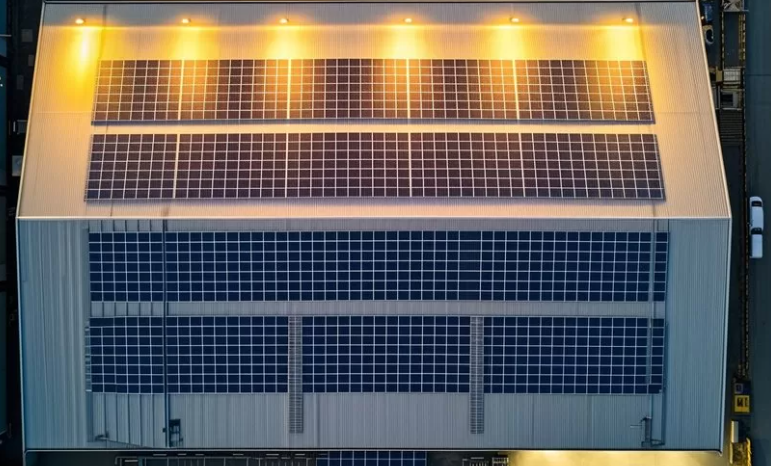
As renewable energy becomes increasingly important, rooftop solar solutions are poised to play a significant role in shaping our energy future. With the benefits of reduced environmental impact, economic savings, and energy independence, rooftop solar offers a compelling solution for individuals and businesses alike. By addressing the challenges and making informed decisions, you can harness the power of the sun and contribute to a more sustainable world. Rooftop solar solutions provide a sustainable and cost-effective way to harness the power of the sun. With numerous benefits and a promising future, they offer an attractive option for those seeking renewable energy sources. By considering factors such as roof condition, local regulations, and financial aspects, you can make an informed decision about installing rooftop solar. As technology continues to advance, the potential for rooftop solar only grows, making it a bright solution for the energy needs of tomorrow.
The size of a solar panel is mainly determined by the number of cells, encapsulation method, and power rating. Currently, the most common monocrystalline modules on the market measure between 1.6–2.3 m in length, 1–1.3 m in width, and about 30–40 mm in thickness. The differences between models are primarily reflected in power and efficiency:
- Standard modules:Typically range from 400–550W, with relatively compact dimensions. They are suitable for residential or small to medium rooftops, offering flexible installation and convenient transport.
- Large-size modules:Often rated between 550–700W, with lengths exceeding 2.2 m and widths close to 1.3 m. These are ideal for commercial and industrial rooftops, enabling higher installed capacity with fewer panels.
- High-power modules:Advanced cell technologies such as TOPCon, HJT, and IBC deliver higher output and lower degradation within similar dimensions, making them particularly suitable for projects with limited space and strict efficiency requirements.