EverWatt, a French solar developer, entered receivership this summer after investors withdrew support, leading to layoffs and the sale of its assets while the company seeks buyers for regional solar projects.
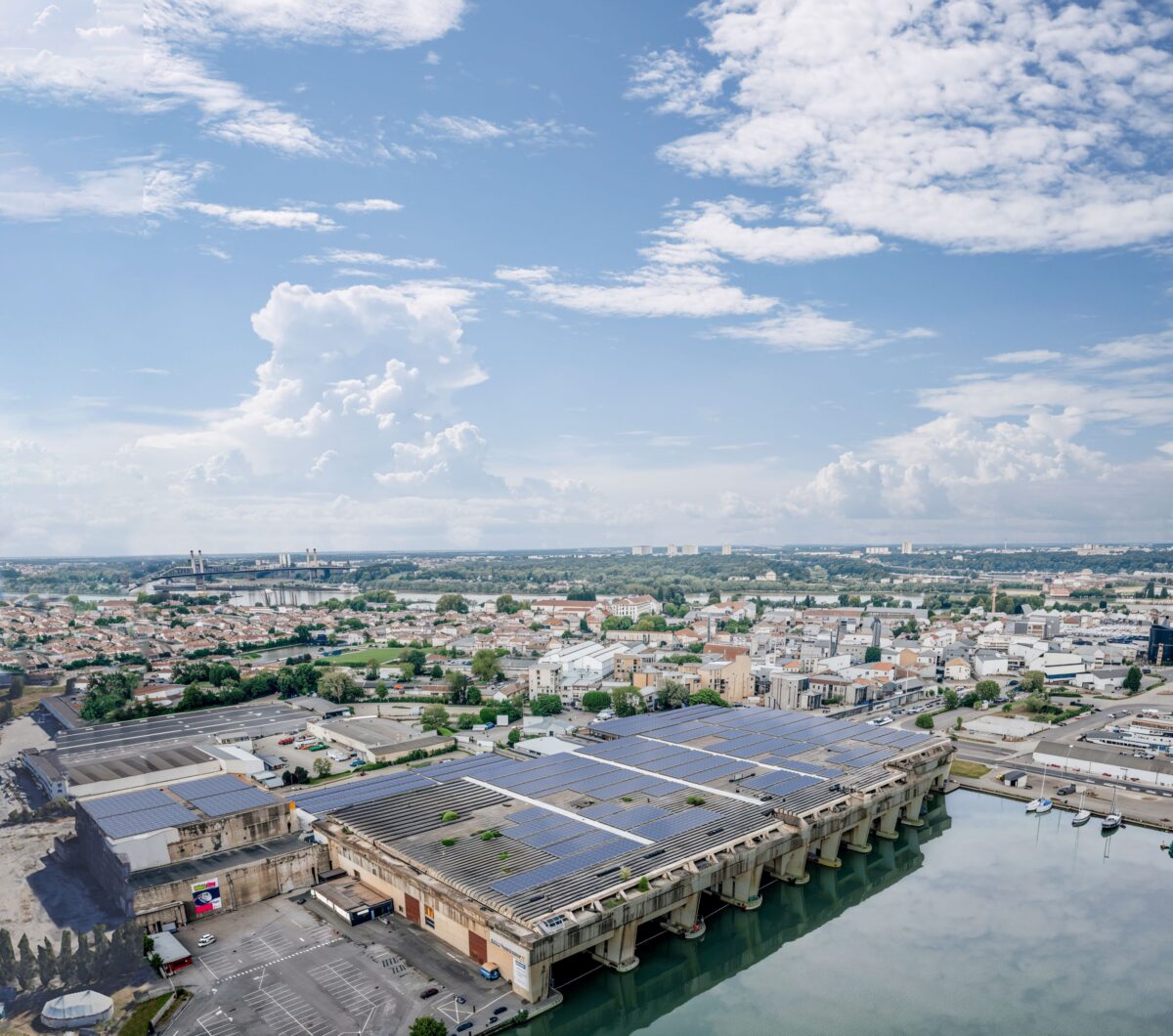
Image: BoucL Énergie
Share
From pv magazine France
The uncertainty weighing on France’s photovoltaic sector for over a year forced renewable energy developer EverWatt into receivership on July 25, as ruled by the Paris Economic Activities Court, dragging down the EverWatt Group, focused on solar energy, and its subsidiary BoucL Énergie, which specialized in individual and collective self-consumption.
EverWatt’s administration three months earlier failed to reverse the trend, as the company’s fate had been sealed by the withdrawal of its main financial partners at the start of the year and again in August. The result: roughly fifty employees laid off and solar assets now seeking buyers.
Jérôme Owczarczak, former CEO of the EverWatt Group and technical advisor assisting Mja Selafa in asset liquidation, told pv magazine France that the company’s struggles reflected the broader challenges facing renewable energy in France.
“Faced with a severe lack of visibility regarding their future, the two investment funds with stakes in our capital, Transition Evergreen and Conquest, decided to successively withdraw, precipitating the cascading collapse of EverWatt, the EverWatt Group, and BoucL Energie,” he said.
EverWatt’s heavy investments in hydrogen in 2021 and 2022, which absorbed substantial cash and failed to materialize, also contributed to its collapse.
“Around 50 employees are affected by layoffs, including 28 at BoucL Énergie and eight at the EverWatt Group. This is a shock, especially at BoucL Énergies, which was not initially placed into liquidation but was unable to escape it due to the default of its majority shareholder. The irony is that we’re being liquidated even though we have money in the account,” Owczarczak said.
“Regarding our solar assets, already built or ready to be built, I’m not worried about their future. We have some great regional projects – seven to eight in total – such as the solarization of the Bordeaux submarine base, the Valenciennes ice rink parking lot, and the Saint-Gervais stadium, and a few receivables,” he added.
The company is actively seeking potential buyers with the liquidator.
“The good news is that we have formal expressions of interest from around fifteen developers ready to acquire our portfolio,” Owczarczak said. “To this end, the liquidator has issued a call for tenders, and we will receive a response in early October. In accordance with the liquidator’s wishes, we must act quickly because the cost of inaction, combined with the political instability, would only make things worse.”
EverWatt’s collapse illustrates the risks that can materialize in France’s solar sector due to limited visibility and strategy.
“We are the first to fail because we are small developers. Focused on self-consumption and with a financing portfolio tied to government tenders, we paid a high price compared to other players,” Owczarczak said. “What’s happening in France is quite depressing, with a government that changes every three months. Instead of fueling uncritical debates and fruitless quarrels, systematically pitting nuclear and renewable energy against each other, we would do better to focus on the overall and collective interest of electricity supply.”
French solar developer Everwatt goes bankrupt
EverWatt, a French solar developer, entered receivership this summer after investors withdrew support, leading to layoffs and the sale of its assets while the company seeks buyers for regional solar projects.
September 18, 2025 Francois Puthod
- French solar developer Everwatt goes bankrupt
EverWatt, a French solar developer, entered receivership this summer after investors withdrew support, leading to layoffs and the sale of its assets while the company seeks buyers for regional solar projects.
September 18, 2025 Francois Puthod
Commercial & Industrial PV
Markets
Residential PV
Utility Scale PV
France
Image: BoucL Énergie
Share
From pv magazine France
The uncertainty weighing on France’s photovoltaic sector for over a year forced renewable energy developer EverWatt into receivership on July 25, as ruled by the Paris Economic Activities Court, dragging down the EverWatt Group, focused on solar energy, and its subsidiary BoucL Énergie, which specialized in individual and collective self-consumption.
EverWatt’s administration three months earlier failed to reverse the trend, as the company’s fate had been sealed by the withdrawal of its main financial partners at the start of the year and again in August. The result: roughly fifty employees laid off and solar assets now seeking buyers.
Jérôme Owczarczak, former CEO of the EverWatt Group and technical advisor assisting Mja Selafa in asset liquidation, told pv magazine France that the company’s struggles reflected the broader challenges facing renewable energy in France.
“Faced with a severe lack of visibility regarding their future, the two investment funds with stakes in our capital, Transition Evergreen and Conquest, decided to successively withdraw, precipitating the cascading collapse of EverWatt, the EverWatt Group, and BoucL Energie,” he said.
EverWatt’s heavy investments in hydrogen in 2021 and 2022, which absorbed substantial cash and failed to materialize, also contributed to its collapse.
“Around 50 employees are affected by layoffs, including 28 at BoucL Énergie and eight at the EverWatt Group. This is a shock, especially at BoucL Énergies, which was not initially placed into liquidation but was unable to escape it due to the default of its majority shareholder. The irony is that we’re being liquidated even though we have money in the account,” Owczarczak said.
“Regarding our solar assets, already built or ready to be built, I’m not worried about their future. We have some great regional projects – seven to eight in total – such as the solarization of the Bordeaux submarine base, the Valenciennes ice rink parking lot, and the Saint-Gervais stadium, and a few receivables,” he added.
The company is actively seeking potential buyers with the liquidator.
“The good news is that we have formal expressions of interest from around fifteen developers ready to acquire our portfolio,” Owczarczak said. “To this end, the liquidator has issued a call for tenders, and we will receive a response in early October. In accordance with the liquidator’s wishes, we must act quickly because the cost of inaction, combined with the political instability, would only make things worse.”
EverWatt’s collapse illustrates the risks that can materialize in France’s solar sector due to limited visibility and strategy.
“We are the first to fail because we are small developers. Focused on self-consumption and with a financing portfolio tied to government tenders, we paid a high price compared to other players,” Owczarczak said. “What’s happening in France is quite depressing, with a government that changes every three months. Instead of fueling uncritical debates and fruitless quarrels, systematically pitting nuclear and renewable energy against each other, we would do better to focus on the overall and collective interest of electricity supply.” - Markets
- Residential PV
- Utility Scale PV
- France
Image: BoucL Énergie
Share
From pv magazine France
The uncertainty weighing on France’s photovoltaic sector for over a year forced renewable energy developer EverWatt into receivership on July 25, as ruled by the Paris Economic Activities Court, dragging down the EverWatt Group, focused on solar energy, and its subsidiary BoucL Énergie, which specialized in individual and collective self-consumption.
EverWatt’s administration three months earlier failed to reverse the trend, as the company’s fate had been sealed by the withdrawal of its main financial partners at the start of the year and again in August. The result: roughly fifty employees laid off and solar assets now seeking buyers.
Jérôme Owczarczak, former CEO of the EverWatt Group and technical advisor assisting Mja Selafa in asset liquidation, told pv magazine France that the company’s struggles reflected the broader challenges facing renewable energy in France.
“Faced with a severe lack of visibility regarding their future, the two investment funds with stakes in our capital, Transition Evergreen and Conquest, decided to successively withdraw, precipitating the cascading collapse of EverWatt, the EverWatt Group, and BoucL Energie,” he said.
EverWatt’s heavy investments in hydrogen in 2021 and 2022, which absorbed substantial cash and failed to materialize, also contributed to its collapse.
“Around 50 employees are affected by layoffs, including 28 at BoucL Énergie and eight at the EverWatt Group. This is a shock, especially at BoucL Énergies, which was not initially placed into liquidation but was unable to escape it due to the default of its majority shareholder. The irony is that we’re being liquidated even though we have money in the account,” Owczarczak said.
“Regarding our solar assets, already built or ready to be built, I’m not worried about their future. We have some great regional projects – seven to eight in total – such as the solarization of the Bordeaux submarine base, the Valenciennes ice rink parking lot, and the Saint-Gervais stadium, and a few receivables,” he added.
The company is actively seeking potential buyers with the liquidator.
“The good news is that we have formal expressions of interest from around fifteen developers ready to acquire our portfolio,” Owczarczak said. “To this end, the liquidator has issued a call for tenders, and we will receive a response in early October. In accordance with the liquidator’s wishes, we must act quickly because the cost of inaction, combined with the political instability, would only make things worse.”
EverWatt’s collapse illustrates the risks that can materialize in France’s solar sector due to limited visibility and strategy.
“We are the first to fail because we are small developers. Focused on self-consumption and with a financing portfolio tied to government tenders, we paid a high price compared to other players,” Owczarczak said. “What’s happening in France is quite depressing, with a government that changes every three months. Instead of fueling uncritical debates and fruitless quarrels, systematically pitting nuclear and renewable energy against each other, we would do better to focus on the overall and collective interest of electricity supply.”